
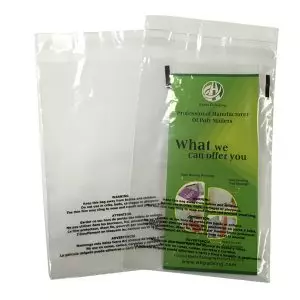
Why Are Clear Bags for Shipping Clothes Becoming More Common in E-commerce?
Clear bags for shipping clothes are spreading through apparel logistics because they let warehouse staff, couriers, and even customers confirm what’s inside without tearing the package open. This feature helps reduce identification errors during fulfillment and may improve the overall return handling process.
Online apparel is hard to sell sight-unseen, since shoppers cannot touch fabric or try on fit before checkout. That uncertainty later becomes returns, where packaging choices start to matter for the bottom line.
How Big Is the Apparel Returns Problem Behind This Trend?
Industry research has highlighted that apparel returns remain a significant challenge for online retailers, with size and fit issues among the main contributing factors.
Size and fit was the leading cause, named by over half of respondents.
Return Reason | Share of Responses |
Size or fit | 53% |
Wrong color | 16% |
Damage in transit | 10% |
Other causes | 21% |
Because fit-related returns often trace to picking or shipping the wrong item, anything that reduces sorting mistakes on the warehouse floor has a direct line to the return column on a profit-and-loss statement. That is where clear bags for shipping clothes earn their keep.
How Do Clear Poly Mailers Improve Warehouse Accuracy?
Clear poly mailers let a packer or courier confirm the SKU, color, and size printed on a garment tag without opening the bag first. Therefore, a single glance replaces a manual check, and manual checks are where human error creeps in during high-volume shifts.
In a packing station handling hundreds of orders per shift, workers scanning barcodes off garments in opaque bags still have to break the seal, look inside, then reseal it. Clear poly mailers remove that step, so fulfillment teams process orders with fewer touches per package.
WH PACKING manufactures its transparent poly mailers using virgin LDPE film, providing a clear packaging option that keeps the contents visible during transit. Some thinner films or recycled-content materials may appear less transparent under certain lighting conditions, which can affect product visibility.
WH Packin’s transparent poly mailer line, for example, is manufactured from virgin polyethylene using precision film-blowing, which keeps thickness consistent across the roll while the bag stays waterproof and tear-resistant during transit. That combination of clarity plus strength separates a functional clear mailer from one that merely looks transparent on day one and clouds or splits before reaching a courier hub.
 Clear vs. Opaque vs. Printed Poly Mailers — Which One Fits Your Product?
 Clear vs. Opaque vs. Printed Poly Mailers — Which One Fits Your Product?
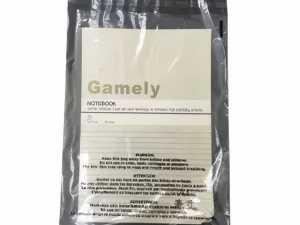
The right poly mailer depends on whether your priority is visibility, privacy, or branding, because each format trades one benefit against another.
Mailer Type | Best For | Trade-Off |
Clear poly mailers | Apparel, footwear, accessories needing quick visual ID | Contents are visible to anyone handling the parcel |
Opaque poly mailers | Confidential items, high-value goods, privacy-sensitive orders | No visual confirmation without opening |
Printed poly mailers | Brands prioritizing unboxing presentation | Higher setup cost for custom artwork |
A footwear seller shipping thousands of near-identical boxes benefits because staff can match a shoe style to an order slip in seconds, while a jewelry retailer usually favors opaque or printed bags to keep contents discreet in transit. Printed logos can still be added to a clear mailer’s edges without giving up visibility.
Who Manufactures Clear Poly Mailers at Bulk Scale? Introducing WH Packing
WH Packing is a 15-year source factory based in Huidong County, Guangdong, China, that manages production of custom poly mailers from raw material through to the finished bag. That vertical control matters for buyers needing consistent transparency and thickness across large orders, not just a single sample.
The compan’s transparent poly mailer collection is built for apparel and logistics use cases where quick product identification protects items from dust and moisture during shipping.
Production runs on 29 sets of high-speed cutting machines dedicated to clear bag output, supported by a wider facility of 18 film-blowing machines, 9 printing machines, and 34 bag-making lines with a combined monthly capacity near 100 million bags.
WH Packing lists UPS, EMS, SF-Express, JD.com, and VIP Shop among its logistics and e-commerce partners, which signals experience meeting high-volume fulfillment requirements. Buyers evaluating a poly mailers wholesale supplier should look for exactly this kind of documented production scale, since undersized factories struggle to hold film clarity consistent once order volumes climb into the hundreds of thousands.
How Should Different Buyers Approach Clear Bags for Shipping Clothes?
Each buyer type in this supply chain weighs clear poly mailers against a different priority, so the right specification shifts depending on where a company sits in the chain.
A packaging wholesaler cares about consistency across resale batches, an e-commerce seller cares about how the bag performs in transit, and a courier cares about how the bag holds up inside a sorting facility. Matching the mailer to the buyer’s actual risk, rather than treating all clear poly mailers as interchangeable, is what keeps complaints and costs down downstream.
What Matters Most to Wholesalers, E-commerce Sellers, and Couriers?
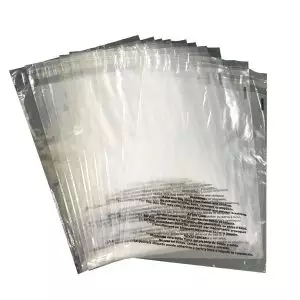
Packaging wholesalers and traders: consistent film thickness and OEM flexibility across repeat orders matter most, because inconsistent batches create complaints from downstream apparel clients. A trader reselling to a mid-size apparel brand cannot explain away a shipment that suddenly looks thinner or hazier than the last one. Documented specs held steady order after order keep that relationship intact.
E-commerce sellers of apparel, footwear, and daily necessities: bags need to survive transit without clouding or tearing, since a damaged or fogged mailer defeats the entire purpose of shipping in a transparent format. A footwear brand shipping through a hot, humid region needs film that resists moisture buildup as much as punctures. When the bag holds up, returns tied to damaged-in-transit claims drop along with it.
Courier and express delivery companies: adhesive seals need to stay closed through automated sorting equipment, because a bag that reopens mid-transit raises disputes over who is responsible for the contents. A regional express operator sorting thousands of parcels an hour cannot afford seals that fail under conveyor vibration.
- Wholesalers: consistent thickness across batches, OEM and custom sizing support
- E-commerce sellers: waterproof film, tear resistance for footwear and apparel
- Couriers: dependable self-adhesive seals that hold through automated sorting
Is It Time to Switch to Clear Poly Mailers?
Clear bags for shipping clothes solve a specific, measurable problem: apparel returns driven by sizing and identification errors that opaque packaging cannot help prevent.
According to a 2023 Coresight Research analysis, online apparel return rates were near 24.4%, with size or fit issues accounting for more than half of those returns. This highlights the importance of packaging solutions that can support efficient and accurate product verification.
For B2B buyers sourcing at volume, the deciding factor usually comes down to manufacturing consistency: a supplier’s ability to hold film clarity and seal strength steady across large production runs, whichever supplier is chosen.