
Ordering custom poly mailers involves more than choosing a bag size and adding a logo. Incorrect dimensions, unsuitable material, or unclear printing requirements can lead to packaging waste, delays, and unnecessary shipping costs.
For importers, wholesalers, e-commerce businesses, and courier companies, the goal is to specify packaging that fits the product, supports the brand, and works with daily fulfillment. This guide explains how to define requirements, evaluate suppliers, and place orders with fewer costly mistakes.
What Should You Define Before Ordering Custom Poly Mailers?
Before requesting a quotation, identify the products you ship, their dimensions, and the conditions the mailers must withstand. These details give manufacturers a clear specification instead of leaving key decisions to guesswork.
How Do Product Dimensions and Packaging Needs Determine Mailer Size?
Measure the packaged product, not just the item itself. A folded T-shirt occupies a different amount of space from one packed with a retail insert or additional garment.
Measure the length, width, and thickness in the intended shipping configuration. Allow enough room for insertion and sealing, but avoid excessive space that lets contents shift or wastes material.
- Clothing and accessories:Account for folded garments, buttons, zippers, and other protruding features.
- Footwear:Confirm whether the shipment includes the original shoe box.
- Daily-use products:Measure the combined dimensions of multiple items and consider any extra protection.
- Courier operations:Standardize common sizes where practical to simplify inventory management.
Test a sample with the actual product before approving mass production. This helps identify sizing problems before they affect an entire order.
How Do You Choose the Right Material, Thickness, and Seal for Poly Mailers?
Choose material thickness and sealing specifications according to shipment weight, shape, handling conditions, and protection requirements. A mailer designed for lightweight clothing may not suit products with sharp edges or rigid components.
Increasing thickness without a clear performance requirement can add material cost without solving the actual packaging problem. Compare quotations using the same specifications.
Specification | What to Confirm |
Material | Exact material composition and available options |
Thickness | Measurement unit, stated thickness, and tolerance |
Dimensions | Finished bag size and measurement method |
Closure | Adhesive flap configuration and sealing requirements |
Surface | Suitability for the intended printing process |
Protection | Resistance required for the product and shipping conditions |
The United States Postal Service advises that mailpieces should withstand normal transit and handling without package or content damage. See its packaging standards.
For products that could puncture a flexible mailer, assess whether reinforced packaging or a rigid outer container is needed. Confirm the finished specification with physical samples instead of relying on material descriptions alone.
How Can You Customize Poly Mailers for Your Brand and Business Requirements?
Successful customization begins with print-ready artwork and an agreed specification for colors, graphic placement, and production quality. Clear instructions help prevent differences between the approved sample and the bulk order.
Which Printing Options and Design Details Should You Confirm Before Production?
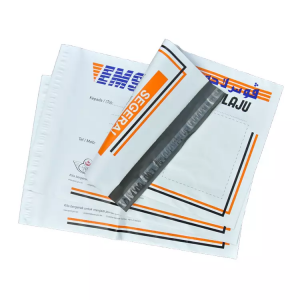
Decide what the packaging needs to communicate. A clothing brand may prioritize a recognizable logo, while a fulfillment company may need room for shipping labels and operational markings.
Before approving artwork, confirm these details with the manufacturer:
- Artwork format:Supply logo and design files in the formats requested by the printer.
- Color requirements:Specify brand colors and ask how consistency will be assessed.
- Print placement:Mark the position, size, and orientation of each printed element.
- Readable information:Keep graphics clear of the sealing area and reserved label space.
- Sample approval:Review a physical sample or agreed production proof before authorizing the full run.
For repeat orders, retain the approved artwork version and written approval. A digital mock-up can confirm layout, but it cannot fully demonstrate actual material, print finish, or finished-bag performance.
How Do You Evaluate a Custom Poly Mailer Manufacturer for Bulk Orders?
Evaluate suppliers by their ability to meet documented specifications consistently, not just by their quoted price. A low unit price has limited value if production deviations, delays, or unclear communication disrupt purchasing.
What Should Importers and Wholesalers Check About MOQ, Samples, Quality, and Lead Times?
Minimum order quantity (MOQ), sample arrangements, production lead time, and inspection procedures all affect the commercial viability of an order.
Ask prospective manufacturers:
- What is the MOQ for the selected size, material, and printing configuration?
- Are sampling costs and setup charges included in the quotation?
- How are dimensions, thickness, print quality, and sealing performance checked?
- When does the quoted lead time begin, and which approvals must be completed first?
- How are defective products, specification deviations, and delivery delays handled?
Compare quotations on the same basis. Two offers are not directly comparable if one includes printing and freight while the other covers only unprinted bags.
For recurring purchases, agree on acceptance criteria before production. Specify permitted dimensional tolerances and how print defects will be reviewed; do not assume universal limits.
How Can WH Packing Support Custom Poly Mailer Requirements?
WH Packing’s official website and custom poly mailer product page are useful starting points for businesses exploring poly mailers custom solutions for branded packaging and wholesale orders.
With film blowing, gravure printing, and bag-making processes handled within its manufacturing facility, WH Packing supports the production of customized shipping bags for business customers. Buyers can discuss bag dimensions, material options, printing requirements, and order quantities with the team to develop packaging specifications suited to their products and fulfillment operations.
For repeat orders, keeping approved artwork and product specifications consistent helps streamline communication and reduce unnecessary changes between production runs.
How Can You Place a Custom Poly Mailer Order With Fewer Costly Mistakes?
Move from a clear specification to sample approval and then to written production confirmation. This gives the buyer and manufacturer a consistent reference throughout the order.
Before placing a bulk order, confirm:
- Finished bag dimensions and measurement tolerances.
- Material composition, thickness, and protection requirements.
- Closure configuration and adhesive requirements.
- Approved artwork, colors, and print placement.
- MOQ, unit pricing, additional charges, and delivery terms.
- Sample approval, inspection criteria, and production schedule.
Keep the approved specification and artwork in one order record. For a first order, consider testing a manageable quantity before committing to recurring high-volume purchases, where the supplier’s MOQ and terms permit it.
How Do You Order Custom Poly Mailers That Fit Your Business Needs?
Successful ordering starts with accurate measurements, suitable material specifications, clear printing instructions, and a supplier who confirms requirements in writing.
For importers and wholesalers, consistent specifications and quality checks help manage repeat orders. For e-commerce brands and courier companies, the priority is packaging that fits the shipment, protects its contents, and supports efficient fulfillment.
Before approving production, verify the sample, confirm the commercial terms, and document the final requirements. These steps help businesses approach suppliers such as WH Packing with a clear brief and make purchasing decisions based on actual packaging needs.