
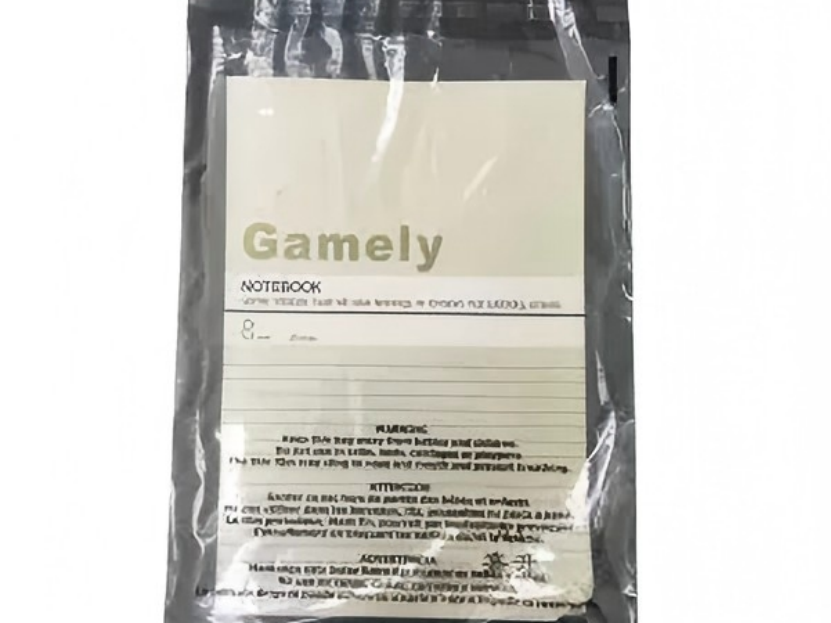
Clothing sellers need packaging that protects garments while keeping packing work simple. Different garments also place different demands on bag size, closure, transparency, and material strength. For buyers comparing clear bags for shipping clothes, common options include transparent poly mailers, resealable garment bags, self-adhesive packing bags, and recycled-material bags. The suitable type depends on whether the package is used for direct shipping, inner packing, returns, or warehouse handling.
At WH Packing, we manufacture courier bags for e-commerce, express delivery, importers, wholesalers, and other B2B buyers. Our work focuses on courier packaging rather than a broad range of unrelated packaging products. This experience helps us understand practical requirements such as bag dimensions, sealing methods, printing, order quantities, and delivery schedules for clothing packaging projects.
Transparent Poly Mailers for Direct Shipping
Transparent poly mailers are commonly used when the contents need to remain visible during packing and handling. They can hold T-shirts, lightweight trousers, scarves, socks, and other soft textile products. Their transparent surface allows warehouse staff to identify the packed item without opening the package.
The bag size should match the folded garment. A bag that is much larger than the product leaves unnecessary empty space. A very tight bag can make packing slower and place extra stress on the seams or closure. Buyers should therefore determine dimensions after checking the folded size of each clothing category.
Direct-shipping applications also require attention to bag thickness and sealing. Clothing is relatively light, but packages still pass through sorting, loading, transport, and delivery stages. The bag needs a structure suited to the expected handling conditions rather than simply being selected according to appearance.
Self-Adhesive Bags for Efficient Packing
Self-adhesive closures are useful when packing teams process many clothing orders each day. Workers can insert the folded garment, remove the release liner, and close the package without applying separate tape. This reduces the number of packing steps at a workstation.
Permanent glue is suitable when the package is intended to remain sealed after packing. A resealable adhesive closure has a different purpose. It allows the closure to be opened and resealed, which can be useful for applications where garments may need inspection or repacking before final shipment.
The closure choice should therefore follow the actual order process. Buyers can consider whether the bag will be sealed once, opened during warehouse checks, or reused during a return process. These practical details are more useful than selecting a closure type based only on price.
Resealable Bags for Clothing Organization
Not every transparent bag serves as the final shipping package. Some are used as inner packaging to separate individual garments inside cartons or larger courier packages. Resealable designs can be practical in this role because products may be removed for inspection and returned to the same bag.
This type of packaging can also help warehouses organize products by style, size, or color. The transparent surface makes the garment visible, while labels or printed information can provide additional identification. For apparel businesses handling many SKUs, this can make picking and checking more straightforward.
Buyers should still distinguish inner packaging from bags intended for courier transportation. The required material structure, sealing method, and printing can differ because the two packages perform different jobs. Defining the use scenario first makes specification discussions more precise.
Material Choices for Different Packaging Requirements
Polyethylene is widely used for flexible courier packaging because it can be made into lightweight bags with different structures. One product available from our factory is the Chinese Factory Wholesale Clear Courier Packaging Bag. It is made from 100% virgin polyethylene and uses three-layer extrusion technology. The bag can be supplied with self-adhesive permanent glue or repeat glue.
This product can also use gravure printing with up to eight colors. It is designed for applications including express delivery and clothes packaging. These specifications make it one option for e-commerce and distribution applications involving clothing shipments.
Material requirements can also vary according to a buyer’s environmental packaging plan. Depending on the project, our packaging capabilities include pre-consumer recycled material, post-consumer recycled material, and fully biodegradable options. Material selection should be discussed separately from appearance because each project may have different performance, sourcing, and sustainability requirements.
Printing and Visibility Need to Work Together
Clear packaging does not have to remain completely unprinted. Clothing companies may need logos, handling information, warning text, or other graphics on the bag. The key is deciding how much of the surface should remain transparent after printing.
Large printed areas can reduce product visibility. Smaller graphics may leave more space for warehouse staff or recipients to see the garment inside. Buyers should decide what information needs to be printed and where it should appear before artwork is prepared.
Color count is another practical consideration. A design with several colors requires a different printing setup from a simple one-color logo. Confirming artwork, print position, bag dimensions, and closure requirements together can reduce specification changes later in the order process.
What B2B Buyers Should Confirm Before Ordering
For importers, wholesalers, clothing sellers, and courier companies, choosing a transparent bag involves more than selecting a standard size. Buyers should first provide the garment type, folded dimensions, expected package weight, sealing preference, printing artwork, material requirement, and estimated order quantity.
Production capacity also matters for recurring or large-volume orders. Our own factory has a monthly production capacity of 100 million bags. Scale purchasing and specialized production help us control manufacturing costs, while internal quality control procedures are used to maintain consistency across production.
Order planning should include delivery requirements as well. Sampling, artwork confirmation, production, inspection, packing, and logistics all require time. Discussing these steps early gives both the buyer and manufacturer a clearer basis for arranging the production schedule.
Matching the Bag to the Clothing Shipping Process
There is no single clear bag structure for every clothing order. Transparent poly mailers work well when visibility and direct shipping are required. Resealable bags can suit inspection or inner packing, while permanent self-adhesive closures fit shipments that are intended to stay closed after packing. Material and printing choices should then be matched to the garment, logistics process, and brand requirements.
For buyers developing customized clothing packaging, WH Packing provides consultation, product design, order response, logistics coordination, and after-sales follow-up as part of the service process. More importantly, a clear specification should come before production. When bag size, material, closure, printing, and shipping use are defined early, buyers can select packaging that fits their actual clothing distribution workflow.