
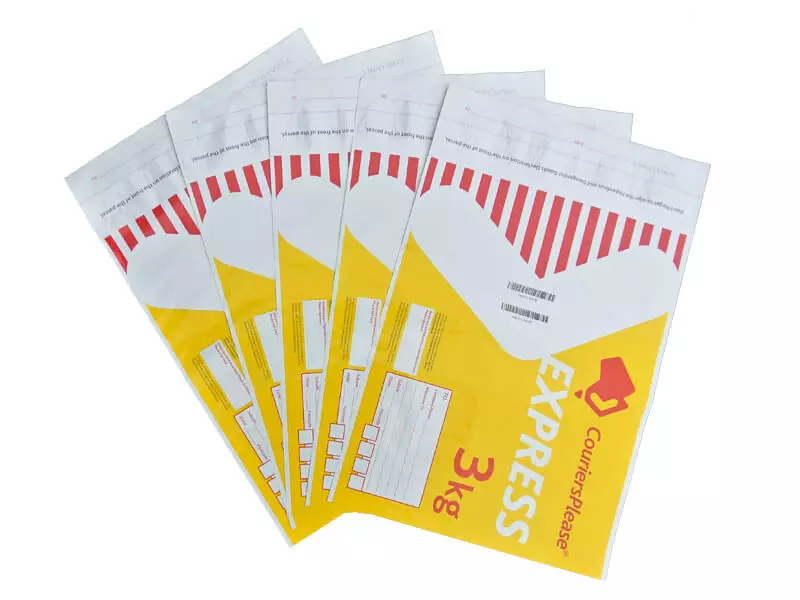
Packaging rules are no longer limited to product safety or transport performance. Material claims, recycling information, environmental labeling, and producer responsibilities can all affect how shipping bags are placed on different markets. Businesses ordering customized poly mailers need to understand which requirements apply in their destination country and how those rules affect material selection and printed information. At WH Packing, we support B2B packaging projects with specifications that can be discussed around the intended market and application.
Why Market Rules Matter
Packaging placed on the market can be subject to different obligations depending on its destination. The European Union, United States, and United Kingdom use different regulatory systems, so one specification should not automatically be treated as suitable everywhere.
The EU Packaging and Packaging Waste Regulation, known as PPWR, entered into force in February 2025 and has applied from August 12, 2026. It covers packaging regardless of material or origin and introduces requirements related to packaging composition, waste prevention, recyclability, and labeling.
For exporters, this means compliance should be considered during packaging development rather than after production. Material records, artwork, environmental claims, and intended markets are useful information to review before a large production run.
Understanding EU Packaging Requirements
PPWR creates a harmonized framework for packaging sold in the EU. The regulation covers the full packaging life cycle, including manufacturing, use, and waste management. It also contains requirements intended to improve recyclability and reduce unnecessary packaging.
Recyclability is becoming increasingly important in EU packaging decisions. The European Commission states that all packaging must meet recyclability requirements, while mandatory recycled plastic content measures will apply from 2030.
Labeling also needs attention. Under the PPWR, harmonized material-composition labeling will apply from a later implementation date, with specific rules for different packaging categories and exceptions. E-commerce packaging is specifically addressed within the labeling provisions.
Reviewing U.S. Environmental Claims
U.S. requirements can become particularly relevant when packaging carries environmental marketing language. The Federal Trade Commission’s Green Guides address claims such as recyclable, recycled content, compostable, degradable, renewable, and general environmental benefits.
The FTC advises businesses to support environmental claims with competent and reliable scientific evidence. Broad statements such as “eco-friendly” can create problems if they imply wider environmental benefits than the available evidence supports.
For customized poly mailers, artwork is not simply a branding decision. Words, symbols, recycling statements, and material descriptions can communicate environmental claims to buyers and end users. Claims should match the actual material and available evidence.
Considering UK Packaging Obligations
The United Kingdom operates its own packaging Extended Producer Responsibility framework. Businesses that supply or import packaging or packaged goods may have EPR obligations, depending on their activities and producer status.
Large obligated producers can have duties covering registration, packaging data reporting, recycling obligations, and fees associated with household packaging waste. The specific responsibility depends on how the business supplies or imports packaging.
This distinction matters for international sourcing. A manufacturer may produce the packaging, while the importer, brand owner, distributor, or another party may hold the relevant producer responsibility in the destination market. Procurement teams should identify their role before making compliance assumptions.
Connecting Specifications With Compliance
Material selection is one part of the process. Size, thickness, printing, closure structure, recycled content, and labeling can also affect the final packaging specification. Keeping these details documented makes it easier to review the same design against different market requirements.
Our production range includes printed and plain polyethylene mailing bags, with customization available for dimensions, thickness, colors, logos, and functional elements. One relevant specification offered by WH Packing uses three-layer extrusion technology and supports customized thickness from 30 to 150 microns (1.2 to 6.0 mil), with gravure printing of up to eight colors on the specified printed configuration. The product information also lists ISO9001 quality-management certification.
A specification should not be treated as a compliance certificate by itself. WH Packing can discuss material and production requirements with B2B customers, while the buyer remains responsible for identifying the legal obligations that apply to its own market, sales model, and packaging use.
Preparing for Cross-Border Packaging
Regulatory preparation becomes easier when packaging information is organized before ordering. Buyers can keep records covering material composition, recycled content where applicable, dimensions, weight, printing artwork, and supporting certifications or test documents.
Market destination should also be recorded clearly. A bag intended for EU distribution may need to be reviewed under PPWR, while a package carrying environmental claims in the United States requires attention to FTC guidance. UK shipments may involve EPR considerations.
Small wording differences can matter. Claims about recyclability, recycled content, compostability, or environmental benefits should describe what the packaging actually contains or can do, rather than relying on broad promotional language.
Building a Better Compliance Checklist
A practical review can begin with four questions: where will the packaging be sold, what material does it contain, what claims will appear on it, and which party has producer obligations in that market? These questions create a useful starting point before technical specifications are finalized.
The next step is to compare the planned packaging against current market rules and keep supporting information with the purchasing record. Regulations can change, so a specification approved for one project should not automatically be reused for a later market without review.
Packaging compliance works best when it is considered alongside design and sourcing instead of treated as a final inspection step. At WH Packing, we can work with customers on material, printing, dimensions, thickness, and other packaging specifications, giving international buyers a clearer technical basis for developing their own compliance review.