
As environmental requirements continue to influence global trade, businesses purchasing shipping materials need to understand how packaging regulations affect product selection. At WH Packing, we work with distributors, logistics companies, e-commerce brands, and packaging importers that require practical compliance solutions instead of generic packaging options. Understanding the rules behind eco friendly poly mailers helps buyers reduce sourcing risks while meeting market expectations across different regions.
Why Packaging Regulations Matter in International Trade
Packaging regulations are designed to improve environmental performance, support recycling systems, and provide clear information about packaging materials. Different countries have developed their own policies, but many focus on similar objectives, including responsible material use, waste reduction, and accurate environmental claims.
For B2B buyers, these requirements influence more than product selection. They can also affect supplier qualification, customs documentation, procurement planning, and long-term packaging strategies. Before placing large-volume orders, buyers often verify whether packaging materials align with local regulations and customer specifications.
Although regulations differ from one market to another, many purchasing teams pay attention to recycled content, material traceability, labeling requirements, and documentation supporting sustainability claims. Preparing these materials in advance can simplify project approval and reduce unnecessary communication during procurement.
Common Regulatory Areas for Eco Friendly Poly Mailers
When evaluating eco friendly poly mailers, companies should understand several regulatory categories rather than focusing only on whether a package contains recycled material.
The first area is material composition. Many buyers request packaging manufactured with recycled polyethylene or other approved recycled plastics. Depending on customer requirements, suppliers may provide products made from pre-consumer recycled material, post-consumer recycled material, or biodegradable alternatives designed for specific regional markets.
Another important area involves environmental claims. Statements describing recycled content or environmental characteristics should be supported by appropriate documentation instead of general marketing language. This allows importers and downstream customers to evaluate product consistency more efficiently.
Material safety also remains an important consideration. Packaging used for express delivery should maintain stable physical performance throughout transportation while complying with applicable material requirements. Reliable sealing strength, moisture resistance, and tear resistance contribute to practical shipping performance without conflicting with environmental objectives.
Documentation Buyers Frequently Request
Besides the packaging itself, procurement teams often evaluate the documents supplied by manufacturers. Complete documentation helps buyers verify product specifications before production and simplifies communication throughout international transactions.
Many commercial projects request quality management documentation, recycled material information, production records, or supporting certification related to environmental management systems. These documents provide additional confidence that products are manufactured under consistent quality control procedures.
At WH Packing, we maintain an ISO-based quality management process together with internal inspection procedures to help support product consistency throughout production. For customers selecting recycled packaging solutions, we can also provide options using pre-consumer recycled materials, post-consumer recycled materials, or biodegradable materials according to project requirements rather than offering a single material solution.
Choosing Packaging Specifications That Support Compliance
Meeting packaging regulations also depends on selecting specifications that match the intended shipping application. A package that performs well during transportation is less likely to generate unnecessary waste caused by product damage, replacement shipments, or packaging failure.
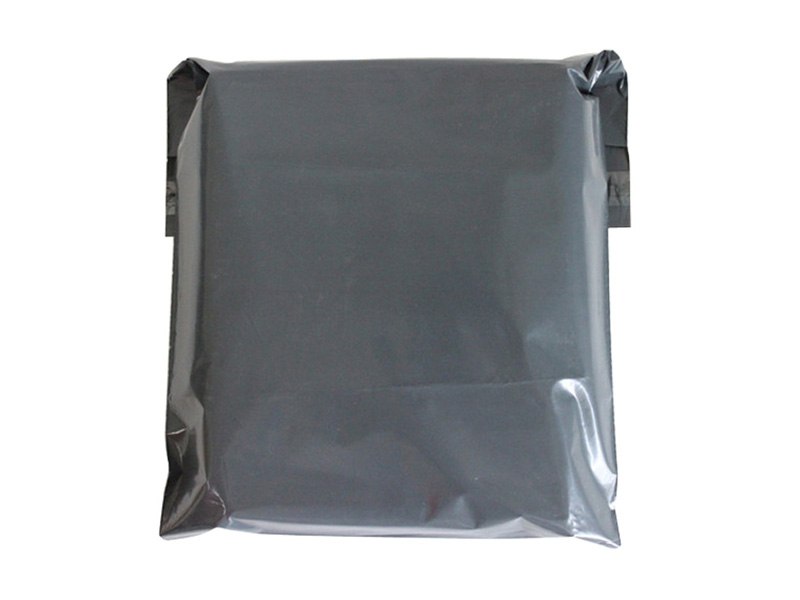
For example, one recycled mailing solution in our product portfolio is a wholesale logo printed black garment poly bag developed for express delivery applications. It is manufactured from 100% recycled polyethylene and uses a permanent self-adhesive seal that can only be opened by destroying the package after closure, helping reduce the possibility of accidental opening during transportation.
The product is produced with three-layer extrusion technology and supports gravure printing with up to eight colors, allowing businesses to combine brand presentation with practical shipping requirements. Thickness can be customized from 30 to 150 microns, enabling buyers to select suitable material strength according to different shipping conditions rather than using a single specification for every order.
For apparel, textiles, and other non-fragile products, this type of mailing bag provides water resistance, tear resistance, reinforced side seams, and a secure adhesive strip while remaining a cost-efficient shipping option compared with corrugated cartons or mailing tubes. Using recycled polyethylene also helps many businesses align purchasing decisions with their environmental objectives.
How Custom Eco Friendly Poly Mailers Support Different Markets
Different export destinations often require different packaging approaches. Instead of expecting one packaging specification to satisfy every customer, many businesses select custom eco friendly poly mailers based on regional regulations, logistics conditions, and branding requirements.
Customization may include recycled material selection, bag dimensions, film thickness, printing design, sealing structure, opacity, and shipping labels. These adjustments allow distributors and e-commerce businesses to meet operational needs while remaining consistent with local packaging policies.
From our experience, procurement teams also consider production stability when selecting a supplier. Large-volume projects require not only compliant materials but also reliable delivery schedules, consistent printing quality, and repeatable manufacturing processes. These factors help maintain supply chain continuity after the initial purchase.
Conclusion
Packaging regulations continue to evolve as governments, retailers, and logistics companies place greater emphasis on sustainable packaging practices. Rather than responding only when new requirements appear, many businesses establish long-term sourcing strategies that make future adjustments easier.
At WH Packing, we support customers by combining manufacturing capacity with practical packaging solutions. Our 27,000-square-meter factory and monthly production capacity of 100 million bags help us respond to ongoing B2B procurement requirements while maintaining stable production and delivery. We also provide product consultation, packaging design support, logistics coordination, and after-sales service throughout each project.
By working closely with customers, we can develop custom eco friendly poly mailers that balance regulatory expectations, transportation performance, and purchasing efficiency. This approach helps businesses prepare for changing market requirements while maintaining reliable packaging quality across different international supply chains.