
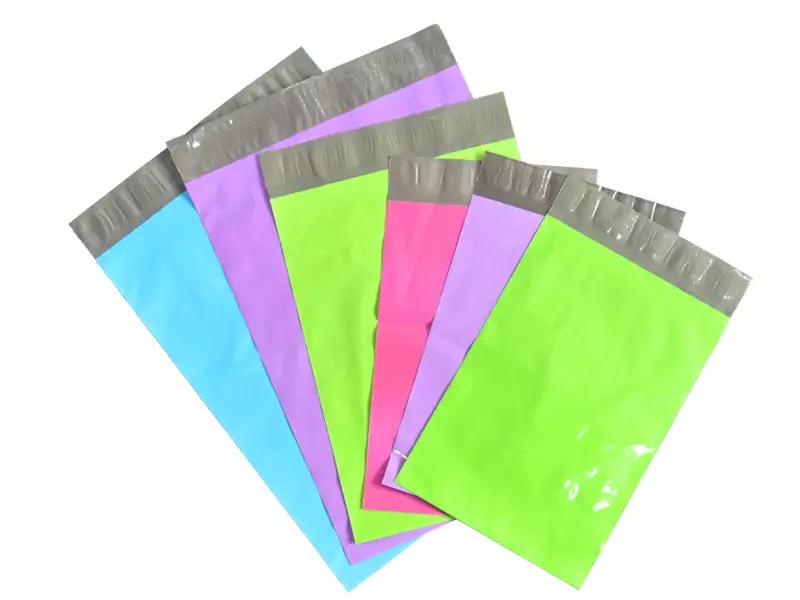
In the competitive e-commerce landscape, packaging is no longer just a protective outer layer; it serves as a critical physical touchpoint between a brand and its customers. B2B buyers, including packaging importers, large-scale traders, and high-volume e-commerce brands, increasingly seek custom packaging solutions that combine high operational performance with striking visual appeal. When looking to scale up your packaging procurement, partnering with an experienced source manufacturer like WH Packing ensures you receive high-quality, customized solutions directly from a specialized factory. Making the right decision involves analyzing several key technical and logistical factors to protect your products and elevate your brand image during transit.
Material Composition and Mechanical Strength
The primary purpose of any shipping envelope is to protect its contents from environmental elements during the rigorous transit process. Standard retail shipping involves multiple sorting centers, conveyors, and physical handling. This environment requires materials that resist punctures, tears, and moisture. High-quality poly mailers are typically manufactured using low-density polyethylene (LDPE) or co-extruded films. Co-extrusion is a specialized manufacturing process that layers multiple plastic films together. This technique creates a multi-layered barrier with excellent tensile strength and tear resistance. For heavy or sharp items like shoes and apparel accessories, a thicker film gauge is essential. Buyers should request samples to test the elasticity of the material, ensuring the seams do not burst under pressure. Additionally, verify that the inner layer is completely opaque, which is usually achieved with a black or dark grey co-extruded inner lining. This opacity protects high-value goods from theft and preserves customer privacy.
Evaluating the Visual Impact of Custom Color Poly Mailers
Color accuracy is vital for brand consistency, especially when purchasing in large B2B quantities. When sourcing custom color poly mailers, working with a factory that utilizes advanced color-matching systems, such as the Pantone Matching System (PMS), prevents color shifts across different production batches. Inconsistent coloring across shipping bags can make products look unprofessional and erode consumer trust.
Beyond basic color choice, the surface treatment of the film determines how well printing inks adhere to the plastic. Corona treatment is a necessary step during extrusion to temporarily alter the surface energy of the plastic, allowing high-quality gravure printing inks to bond securely. Without this treatment, logos and brand graphics may flake off or smudge during shipping. For complex branding requirements, choosing the right printing style is essential. Options range from simple colored plain mailers to highly customized multi-color printed mailers. Ensuring the manufacturing partner has the capability to execute precise registration is critical for complex, multi-colored designs.
Environmental Compliance and Material Sustainability
Global environmental regulations and evolving consumer expectations have made sustainable packaging a top priority for B2B procurement managers. Governments in international markets are implementing strict standards regarding plastic use. When sourcing poly mailers, it is wise to prioritize materials certified under the Global Recycled Standard (GRS).
Recycled materials generally fall into two categories: pre-consumer recycled materials and post-consumer recycled materials. Pre-consumer materials originate from industrial waste, while post-consumer materials come from discarded consumer products. Both options drastically lower the overall carbon footprint of your packaging. For businesses exporting to regions like Australia, fully biodegradable packaging options are highly preferred. These materials break down naturally without leaving harmful microplastics. Working with an ISO-certified supplier who maintains a complete chain of custody for GRS-certified materials ensures your company complies with international customs regulations and meets the green initiatives of your corporate buyers.
Structural Customization and Functional Features
Different product types require distinct mailer configurations. A standard flat mailer works well for flexible items like t-shirts, but other scenarios demand specialized structures. For example, clothing brands frequently request mailers with integrated handles to make self-collection or retail carrying much easier.
E-commerce logistics also benefit from functional closures. Dual self-adhesive sealing strips are exceptionally valuable for returns. Customers can reuse the bag by peeling the second adhesive strip, reducing waste and improving customer experience. When selecting colored poly mailers, consider whether your inventory requires specialized variations such as white plain poly mailers, colored plain mailers, or completely transparent poly mailers for inner packaging. Each category serves a specific logistical purpose, so consolidating your procurement with a manufacturer capable of producing a wide range of customized structural formats simplifies your supply chain management.
Operational Capacity and Global Supply Chain Security
For large-scale B2B importers, supply chain reliability is just as critical as product quality. A disruption in packaging supply can halt fulfillment centers and delay thousands of shipments. Therefore, assessing a manufacturer’s production scale is a necessary step before signing a contract.
A factory with an expansive facility and a monthly production capacity of 100 million units provides the security needed to handle seasonal spikes, such as the peak holiday shopping seasons. Furthermore, source manufacturers with integrated supply chains—from raw material procurement to final bag conversion—can offer better cost structures and shorter lead times. Partnering with a supplier experienced in high-volume OEM services guarantees smooth logistics, secure packaging for international freight, and reliable delivery. Look for manufacturers that have established long-term collaborations with major global courier networks, as this indicates a deep understanding of international shipping standards and rigorous industrial demands.
Securing Your Packaging Supply Chain
Selecting the ideal shipping packaging requires balancing raw material strength, aesthetic customization, and strict environmental compliance. When high-volume B2B buyers evaluate options, focusing closely on a manufacturer’s technical expertise, raw material supply chain integrity, and internal quality control protocols ensures that the final delivery matches every technical specification. By selecting an established manufacturing partner with certified production facilities and robust high-volume output capabilities, global e-commerce brands and packaging distributors can effectively secure their supply chain, minimize in-transit damage, and present a highly professional, cohesive brand image to consumers worldwide.