
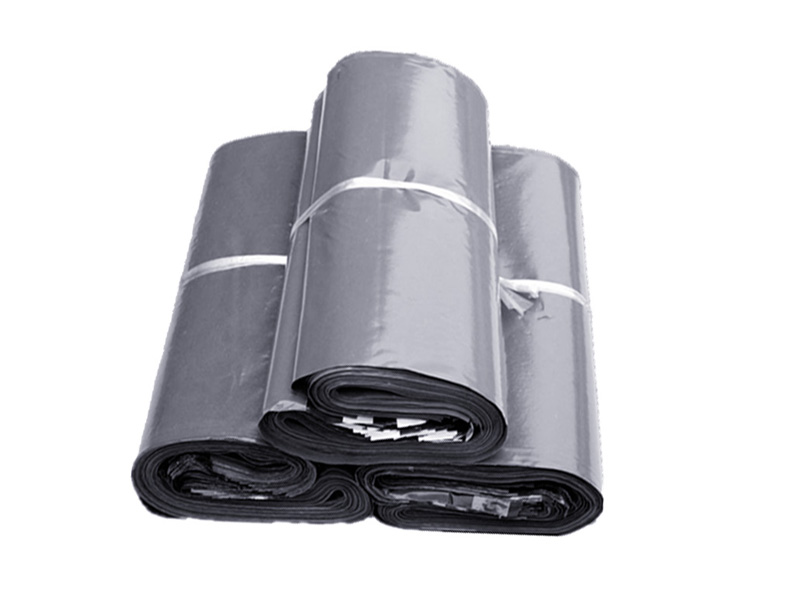
Environmental claims on packaging need more than a green label or a recycling symbol. For importers, wholesalers, e-commerce businesses, and courier companies, certification provides useful information about materials and production controls. When sourcing custom Eco-Friendly poly mailers, buyers should first identify what environmental claim is being made. Recycled content, recyclability, and biodegradability are different concepts, so they should not be evaluated under the same certification criteria.
Packaging buyers also need to look beyond the certificate name. The certified scope, material type, supplier information, and validity period can affect whether a document is relevant to a particular order. Understanding these details makes it easier to compare mailers based on actual material requirements rather than broad environmental descriptions.
Why Certification Matters for Poly Mailer Sourcing
Poly mailers are widely used for clothing, footwear, daily necessities, and express delivery. These bags are lightweight and practical for products that do not require rigid outer packaging. As environmental requirements change, buyers increasingly need clearer information about where packaging materials come from.
Certification can provide third-party evidence for certain environmental or management claims. However, one certificate does not cover every aspect of a poly mailer. A recycled-material certification mainly concerns recycled inputs and traceability. A quality management certificate relates to manufacturing processes rather than proving that an individual bag is environmentally friendly.
For B2B buyers, this distinction is important. Before requesting documents, purchasing teams should define the packaging specification. They can identify the required material, recycled-content target, printing method, bag dimensions, sealing structure, and destination market. The supplier can then provide documents that correspond to those requirements.
GRS Helps Verify Recycled Material Claims
The Global Recycled Standard, commonly known as GRS, is relevant when a buyer wants products containing recycled materials. It addresses recycled content and chain-of-custody requirements while also including requirements related to social, environmental, and chemical practices.
For recycled poly mailers, buyers should check whether the supplier and relevant production activities fall within the certification scope. They should also review the applicable traceability records and transaction documentation required under the current certification system. This is more meaningful than simply seeing a GRS logo in a product presentation.
Recycled polyethylene can come from different sources. Pre-consumer recycled material is recovered from waste generated before a product reaches consumers. Post-consumer recycled material comes from products that have already been used by consumers or end users. The distinction matters because customers may specify one type in their packaging policies.
For recycled packaging projects, we can discuss pre-consumer or post-consumer recycled material options according to the required packaging specifications. For recycled packaging projects, GRS-related requirements can therefore be discussed during material selection instead of being considered only after production.
ISO Certification Has a Different Role
ISO certification is another document buyers may encounter during supplier evaluation. It should not be treated as interchangeable with a recycled-material certification. An ISO management-system certificate generally evaluates how a company manages defined processes within the scope of the particular standard.
For packaging procurement, buyers should check the exact ISO standard stated on the certificate. They should also review the certified organization, site, scope, certification body, and validity dates. Writing “ISO certified” without identifying the actual standard provides too little information for a detailed supplier assessment.
Our company has ISO certification and internal quality-control procedures. During bulk production, defined quality-control procedures can help monitor consistency across production batches. Material, printing, sealing, dimensions, and appearance are practical inspection points that can affect the finished packaging.
Certification should therefore be combined with sample approval and order specifications. Buyers can retain an approved sample as a reference and define acceptable requirements before mass production. This creates a clearer basis for checking later production batches.
Biodegradable Claims Require Separate Evidence
A biodegradable or compostable mailer is not the same product category as a conventional recycled polyethylene mailer. Buyers should avoid assuming that recycled PE becomes biodegradable simply because recycled material is used.
When sourcing biodegradable packaging, the material composition and intended disposal conditions need separate verification. Depending on the target market and the specific environmental claim, buyers may request test reports or certification against applicable compostability or biodegradability standards. The required evidence should match the exact claim placed on the packaging.
This point also affects labeling. Terms such as recycled, recyclable, biodegradable, and compostable describe different characteristics. Buyers should confirm which description is supported by the selected material before printing environmental statements on a mailer.
Local regulations also matter. An environmental claim accepted in one market may face different labeling or testing requirements elsewhere. Importers should therefore check the rules of the destination market before finalizing artwork and environmental wording.
Product Specifications Should Match the Documentation
Certification is useful when it corresponds to the product being purchased. Material specifications, production records, and finished-bag details should be reviewed together. This is particularly important when one supplier offers several material options.
For example, our Wholesale Logo Printed Black Garment Poly Bag Matte Polymailer belongs to the recycled poly mailer category. It is made from 100% recycled polyethylene and uses self-adhesive permanent glue. The bag is produced with three-layer extrusion technology and supports gravure printing in up to eight colors. It is intended for express-delivery applications.
When evaluating custom Eco-Friendly poly mailers, buyers can ask the manufacturer to connect the requested environmental claim with the selected material and available documentation. This prevents a certificate for one material or production scope from being incorrectly applied to another packaging option.
A Practical Certification Check Before Ordering
A useful review starts with the product rather than a long list of certificates. Buyers can first confirm whether the mailer uses virgin polyethylene, recycled polyethylene, or a biodegradable material. They can then request documentation relevant to that specific material choice.
The next step is checking certificate details against the supplier and manufacturing site. Buyers should review the scope, dates, material information, and supporting records. Samples can then be evaluated for printing, sealing, dimensions, appearance, and other agreed requirements before bulk production begins.
As a manufacturer focused on courier bags, WH Packing combines material selection with product design, order response, production, delivery, and after-sales follow-up.
Certifications are valuable when they support a clearly defined packaging claim. For recycled mailers, GRS and traceability information deserve attention, while ISO documents serve a different management-related purpose. Buyers who connect certification, material specifications, samples, and destination-market requirements can make packaging decisions based on verifiable information rather than general environmental wording.