
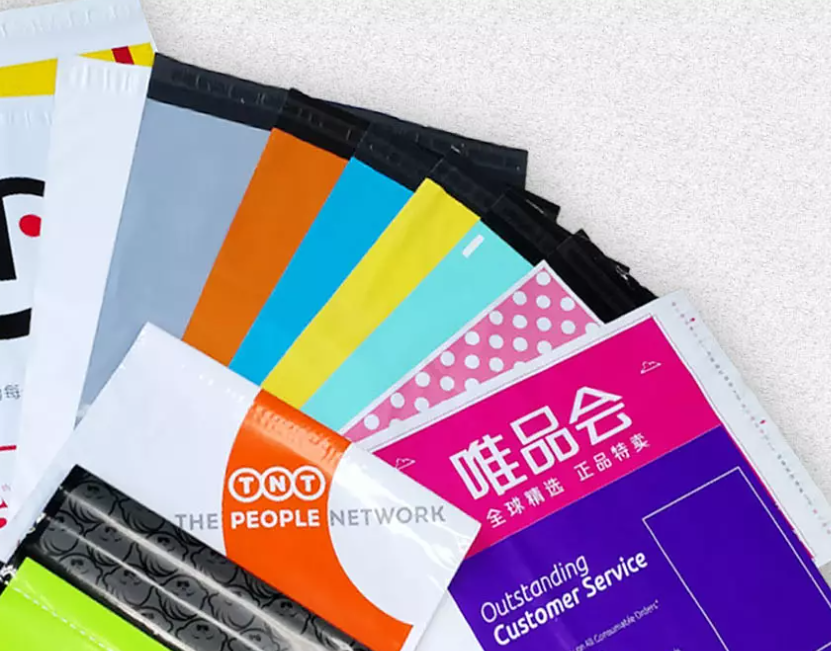
Poly mailers are lightweight plastic shipping envelopes used for apparel, documents, accessories, and other non-fragile products. For B2B buyers, the real question is not simply “Which mailer is cheapest?” but “Which mailer protects the product, supports the brand, and fits the shipping workflow?”
Different kinds of poly mailers solve different packaging problems. Some focus on low-cost order fulfillment, some support brand presentation, and some help teams manage wholesale or bulk shipping programs with consistent packaging specifications.
 What Are the Main Different Kinds of Poly Mailers?
The main kinds of poly mailers include standard plain mailers, printed mailers, handle mailers, recycled mailers, transparent mailers, and security-focused courier bags.
Poly mailer type | Common use | Main buyer concern |
Plain poly mailers | Daily e-commerce shipping | Cost and availability |
Printed poly mailers | Branded delivery experience | Logo, color, and print consistency |
Handle poly mailers | Retail or hand-carry delivery | Convenience and presentation |
Recycled poly mailers | Sustainability-oriented shipping | Material claim and recycling guidance |
Transparent poly mailers | Document or visible-item packing | Easy identification |
Security courier bags | Express and logistics delivery | Sealing and tamper resistance |
How Do Standard Poly Mailers Work for Everyday Shipping?
Standard poly mailers work by providing a lightweight, moisture-resistant outer layer for soft goods. They are commonly used for products that do not require rigid box protection.
For example, apparel sellers often use plain mailers for T-shirts, leggings, or textiles because the products can tolerate compression. As a result, businesses can reduce unused space compared with cartons.
However, standard mailers are not ideal for fragile goods. Glass, electronics, cosmetics in rigid bottles, and sharp-edged products usually need cushioning, inner packaging, or a box.
 When Should Businesses Use Printed Poly Mailers?
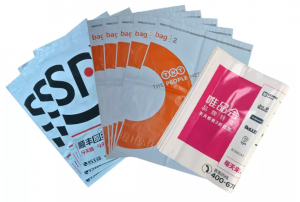
Businesses should use printed poly mailers when packaging is part of the customer experience. A printed bag can carry the logo, brand color, message, or handling information.
This matters because the package is often the first physical brand touchpoint after checkout. For DTC brands and marketplace sellers, printed mailers can make repeat deliveries feel more consistent.
Printed options also support operational clarity. For example, a brand can separate product lines by color, season, warehouse, or campaign.
 What Are Poly Mailers with Handles Used For?
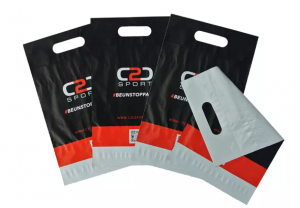
Poly mailers with handles are used when the package may be carried directly by customers, delivery staff, or retail teams. The handle changes the mailer from a simple shipping bag into a more convenient transport package.
This format can be useful for store pickup, local delivery, events, and retail-to-consumer fulfillment. However, buyers should confirm whether the handle structure fits the product weight and packing method before ordering.
 How Do Poly Mailer Materials and Structures Differ?
Poly mailer materials and structures differ by resin type, film layers, opacity, sealing method, print process, and recycled-content positioning.
What Is the Difference Between Virgin Polyethylene and Recycled Poly Mailers?
Virgin polyethylene mailers use newly produced polyethylene resin, while recycled poly mailers use recycled plastic content where available. The right choice depends on brand positioning, durability needs, and verified supplier claims.
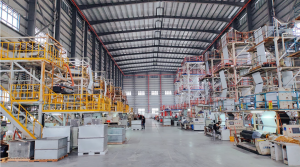
WH Packing’s official product pages state that several printed poly mailers are made of 100% virgin polyethylene with self-adhesive permanent glue. The same pages also describe 3-layer extrusion technology and gravure printing up to 8 colors for custom printed mailers.
For recycled mailers, buyers should ask for clear documentation. Recycled content percentage, testing method, and labeling guidance should be confirmed before using sustainability claims in sales materials.
Why Does Co-Extruded Film Matter for Shipping Bags?
Co-extruded film matters because different film layers can support strength, opacity, sealing, and surface performance in one mailer structure.
WH Packing states that its white poly mailers use a three-layer co-extruded film blowing process, with claims related to durability, tear resistance, waterproof surface, and handling security.
For B2B procurement, this detail matters more than a generic “strong bag” claim. Teams should ask suppliers how the film structure supports the product weight, route, print surface, and sealing performance.
Are Poly Mailers Recyclable?
Poly mailers may be recyclable through plastic film collection programs when the material and local recycling system allow it. They should not automatically be treated as curbside recyclable.
How2Recycle states that, in the U.S., plastic bags, wraps, and films are not accepted in most curbside or standard drop-off programs; buyers should check the package label and local Store Drop-off availability before making recycling claims.
How Should B2B Buyers Choose Poly Mailers for Different Products?
B2B buyers should choose poly mailers by matching product risk, shipping route, branding needs, and order volume.
- Identify the product category and damage risk.
- Confirm whether the item needs a box, cushion, or inner bag.
- Select plain, printed, transparent, recycled, or handle mailers.
- Check sealing, opacity, print, and size requirements.
- Plan order quantity around warehouse consumption and campaign timing.
Which Poly Mailers Fit Apparel, Documents, and Lightweight Goods?
Apparel usually fits plain or printed poly mailers because clothing is flexible and non-fragile. Documents may use transparent mailers or courier bags when identification matters.
Accessories need more judgment. Socks, scarves, and fabric goods are usually suitable, while jewelry, cosmetics, and electronics may require a box or padded solution.
Therefore, the safest approach is to classify products by compression tolerance. If pressure can damage the item, a simple mailer should not be the only protection.
When Should Buyers Choose Bulk Poly Mailers or Wholesale Poly Mailers?
Buyers should choose bulk poly mailers or wholesale poly mailers when order volume is predictable and packaging specifications are stable.
For example, a fashion brand shipping thousands of monthly orders may buy poly mailers in bulk to keep bag size, color, and print consistent across warehouses. Similarly, distributors may search for poly mailers wholesale when supplying multiple sellers or fulfillment clients.
However, bulk buying can create waste if the size mix is wrong. Before placing wholesale poly mailers orders, teams should review SKU dimensions, average order size, peak-season demand, and warehouse storage space.
How Does WH Packing Support Custom Poly Mailers for B2B Buyers?
We support custom poly mailers through product categories covering printed, plain, recycled, transparent, and handle mailer options.
- Printed poly mailers
- Poly mailers with handle
- White plain poly mailers
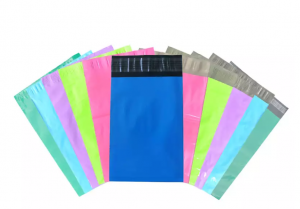
- Colored plain poly mailers
- Recycled poly mailers
- Transparent poly mailers
Our homepage describes our offering as customized poly mailers for different branding and functional needs, including printed and eco-friendly options.
What Product Types Does WH Packing Offer?
We offer several mailer categories that fit different B2B shipping scenarios. Printed mailers are suited for brand-led shipping, while white or colored plain mailers fit routine fulfillment.
We also list recycled poly mailers and transparent poly mailers, which can support sustainability-focused or identification-focused packaging needs.
This range helps buyers compare packaging types inside one supplier system instead of sourcing every format separately.
 What Official Product Details Can Buyers Verify?
Buyers can verify on our official product pages that our custom printed mailers use 100% virgin polyethylene, self-adhesive permanent glue, 3-layer extrusion technology, and gravure printing up to 8 colors.
One custom logo mailer page also lists an MOQ of 10,000 pcs, which matters for brands planning launch quantities or seasonal packaging runs.
Conclusion: Which Kind of Poly Mailer Should Your Business Choose?
The right poly mailer is the one that fits the product, shipment route, brand goal, and order volume without adding unnecessary packing complexity.
For daily e-commerce fulfillment, plain poly mailers can be practical. For branded delivery, printed mailers are usually more suitable. For larger purchasing programs, bulk poly mailers, wholesale poly mailers, and poly mailers in bulk should be evaluated through size planning, print requirements, and storage capacity.
For brands comparing custom poly mailers, we provide a relevant starting point because our official pages list multiple mailer categories, custom printing capability, 3-layer extrusion, self-adhesive sealing, and gravure printing up to 8 colors. Buyers should still confirm final specifications, samples, testing details, and sustainability documents before mass production.