
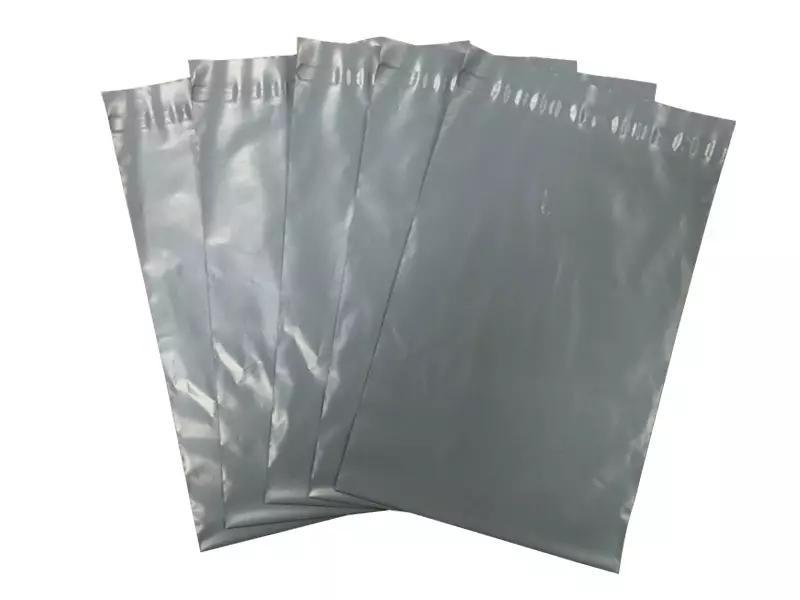
High-volume packaging procurement requires strict quality control protocols to protect operational efficiency and brand reputation. For wholesalers, traders, and major e-commerce brands, shipping mailers represent the final protective layer for products in transit. When procuring protective materials, partnering with a reliable, ISO-certified manufacturer like WH Packing is essential to secure reliable, bulk-produced logistics solutions. Establishing a standardized, data-driven inspection framework is the single most effective way to protect against logistical failure. Sourcing these products at scale, however, introduces risks like inconsistent material thickness, poor seal integrity, or compromised opacity. To mitigate these supply chain risks, B2B procurement managers must implement systematic, science-backed verification methods. This guide details the essential technical tests and supplier evaluation standards required to ensure your packaging inventory consistently meets global performance benchmarks.
The Science of Opacity and Co-Extrusion Film Quality
The primary functional requirement of dark mailing envelopes is confidentiality. This protection relies entirely on the opacity of the plastic film. High-quality mailers are manufactured using co-extrusion technology, combining multiple layers of low-density polyethylene (LDPE) or linear low-density polyethylene (LLDPE). To verify opacity, quality control teams use a transmission densitometer or a simple high-intensity light test. A premium mailer utilizes a dual-layer co-extruded film: a black inner layer to block light and ensure absolute privacy, paired with a dark outer surface. Low-quality suppliers often try to cut costs by using single-layer recycled plastics mixed with carbon black pigment. This shortcut results in an inconsistent molecular structure, causing pinholes, transparency issues, and a pungent chemical odor. Evaluating the co-extrusion profile under a microscopic micrometer guarantees the film features distinct, evenly distributed layers that block 100% of visible light, protecting valuable goods and preventing conveyor line errors.
Testing the Durability of Black Poly Mailers in Transit
Transit environments subject shipping bags to severe physical stresses, including friction, puncture hazards, and tension. Verifying the tensile strength and tear propagation resistance of these protective envelopes is crucial for preventing in-transit damage. This tensile integrity is equally crucial for specialty designs like poly amilers with hande, where stress concentrates heavily around the carrying grip. In a technical evaluation, technicians perform tensile testing according to ASTM D882 standards. This test measures the force required to rupture a plastic specimen and determines its elongation capacity. When sourcing premium black poly mailers, procurement teams should look for an elongation rate exceeding 400%, allowing the bag to stretch significantly under stress rather than tearing. Additionally, the Elmendorf tear test (ASTM D1922) evaluates how well the material resists the propagation of an existing slit. Ensuring high puncture resistance prevents sharp box corners from piercing the plastic during automated sorting.
Assessing Sealing Integrity and Adhesive Shear Strength
A robust film is useless if the closure system fails under stress. The self-adhesive flap must form a permanent, tamper-evident seal that cannot be peeled open without visibly damaging the material. This performance relies on high-grade hot-melt pressure-sensitive adhesive. To verify adhesive quality in a practical scenario, implement the peel-and-shear test. Apply the adhesive strip to the film under standard room temperature, let it cure for five minutes, and then attempt to pull it apart. The test passes only if the film itself tears—known as substrate failure—rather than the adhesive peeling cleanly away. Major global logistics organizations, including FedEx and UPS, enforce strict adhesion standards to prevent shipping labels from peeling off during sorting. Furthermore, temperature fluctuation testing is vital. Premium manufacturers test their adhesive seals across a temperature spectrum of -20°C to 60°C. This ensures the mailers remain secure whether shipped to cold northern regions or hot tropical ports.
Verifying Green Credentials and Material Standards
Global regulatory shifts and corporate social responsibility goals have made eco-friendly packaging a market necessity. When sourcing dark packaging materials, choosing sustainable options or specialty shipping bags must not mean sacrificing physical performance. A reliable supplier must prove their environmental claims through recognized third-party certifications. The Global Recycled Standard (GRS) is the benchmark for verifying recycled content, tracking materials through pre-consumer or post-consumer waste streams. For certain markets, such as Australia, fully biodegradable compostable plastics are highly preferred. A versatile supplier can easily adapt this rigorous ecological compliance across a diverse catalog, spanning recycled poly mailers, custom printed poly mailers, and white plain poly mailers. When sourcing bulk colored poly mailers or dark shipping solutions, B2B buyers should also confirm that the manufacturer operates under ISO 9001 quality management systems. This certification guarantees that internal quality control processes are fully standardized, ensuring thickness tolerances remain consistent from the first unit to the millionth.
Cultivating Resilient Partnerships with B2B Manufacturers
Technical product testing must be supported by an assessment of the supplier’s operational capacity and logistical reliability. For high-volume importers and logistics companies, production scale is directly tied to supply chain security. Operating a large-scale, 27,000-square-meter facility with a monthly production capacity of 100 million units provides the structural security needed to prevent supply disruptions. Such immense scale ensures that sudden surges in demand do not cause fulfillment delays. Furthermore, top-tier manufacturers offer full-process OEM and ODM services, including customized sizing, custom printing, and specialized configurations like double adhesive strips or integrated handles. When a supplier combines advanced testing laboratories with flexible, personalized customization, wholesalers and importers can confidently secure high-performing inventory that drives long-term business success, establishing a stable and highly predictable foundation for the entire global distribution pipeline.