
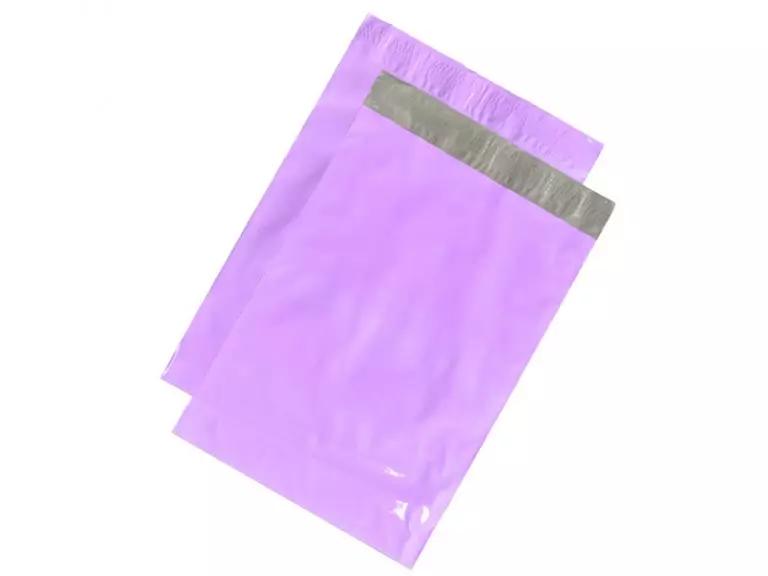
Managing high-volume shipping supplies requires systematic warehousing to prevent inventory degradation before distribution. For major packaging importers and e-commerce wholesalers, protecting custom logistics materials is vital to maintaining operational efficiency. While standard monochrome bags are resilient, vibrantly colored shipping materials demand specialized storage conditions to protect their structural integrity. High-volume procurement managers frequently partner with industry-leading manufacturers like WH Packing to secure premium, customized delivery supplies. When storing premium colored logistics assets at scale, applying scientific preservation protocols prevents material fatigue. This proactive warehouse management approach keeps shipping inventory clean, functional, and ready for global transit.
Chemistry of Polyethylene Degradation
To protect bulk packaging stocks, warehousing operators must understand the chemical properties of low-density polyethylene (LDPE). Premium shipping envelopes are manufactured using multi-layer co-extrusion technology, bonding distinct polymer sheets into a high-strength film. This co-extruded configuration provides substantial mechanical advantages, including outstanding tear resistance and high puncture thresholds under load. Under ASTM D882 testing standards, professional-grade LDPE films exhibit elongation rates exceeding 400 percent, allowing the packaging to stretch under high tension during transit. However, prolonged exposure to environmental stressors can weaken these polymer chains. Warehouses must monitor storage conditions to prevent premature aging, delamination, and structural failure across their stock.
Preventing Photo-Oxidation in Purple Poly Mailers
Bright packaging materials utilize pigments blended into the outer polyethylene layer during co-extrusion. These premium purple poly mailers are highly vulnerable to ultraviolet (UV) radiation, which initiates a destructive degradation pathway known as photo-oxidation. Direct solar exposure breaks the molecular bonds within both the polymer structure and the coloring pigments. This chemical breakdown manifests as color fading, surface chalking, and material embrittlement. Once photo-oxidation begins, the polymer chains fragment, causing the flexible mailing bag to split easily along the heat-sealed seams during handling. To prevent this aesthetic and physical damage, warehousing teams must store all colored shipping stock inside original opaque cartons or UV-blocking black stretch film. Avoid storing pallets near open loading bays, skylights, or unshielded lighting fixtures.
Temperature Regulation for Colored Poly Mailers
Temperature regulation is another critical factor in managing large-scale synthetic packaging inventories. Premium colored poly mailers feature pressure-sensitive hot-melt adhesive strips designed to provide permanent, tamper-evident closures. This adhesive relies on balanced elastomer ratios to maintain reliable tackiness across a broad temperature range, from -20°C to 60°C. However, sustained exposure to high ambient warehouse temperatures can cause the adhesive to migrate or bleed past the protective release liner. Conversely, extreme freezing temperatures can make the adhesive brittle, reducing its initial shear strength when applied. Storing materials in a climate-controlled environment, ideally between 15°C and 25°C with relative humidity below 60 percent, prevents the adhesive from drying out or fusing prematurely to the adjacent film layer.
Physical Stress and Compression Management
Physical compression limits represent another operational consideration when stocking large quantities of customized mailing bags. Heavy pallets stored in multi-tier warehouse racks can easily crush lower boxes if the load is poorly distributed. This physical pressure can permanently crease the co-extruded film, warp specialized configurations like a poly mailers with handle, or scratch delicate custom printed poly mailers. Furthermore, sustained pressure can weaken heat-sealed side seams, reducing the package’s burst resistance during automated sorting. Wholesalers should utilize standard wooden or plastic pallets and avoid stacking them more than two units high without heavy-duty racking. Keeping storage boxes vertically aligned minimizes concentrated stress points, ensuring that self-sealing flaps and carrying grips remain fully functional.
Storage Standards for Eco-Friendly Mailers
As corporate social responsibility goals shape modern procurement, storage protocols must adapt to sustainable materials. Many importers are transitioning to recycled poly mailers or GRS-certified options. The Global Recycled Standard (GRS) verifies recycled content, categorizing materials into pre-consumer and post-consumer recycled plastics. For highly regulated markets like Australia, fully biodegradable or compostable compounds are often preferred. These eco-friendly and recycled films are significantly more sensitive to ambient humidity and microbial exposure than virgin plastics. Storing eco-friendly options, such as white plain poly mailers and colored plain poly mailers, in dry, sealed environments prevents premature biodegradation. This proactive step ensures the film retains its high performance when deployed to global logistics partners.
Partnering with a Certified Manufacturer
Establishing a partnership with an experienced, high-capacity factory like WH Packing ensures your logistics inventory is engineered to withstand long storage periods. Operating a 27,000-square-meter manufacturing facility with a monthly output of 100 million units allows us to support global distribution chains securely. Maintaining long-term collaborations with industry leaders like SF Express, JD.com, and China Post requires rigorous quality control and strict adherence to ISO 9001 certifications. This scale ensures that every production run of transparent poly mailers or colored envelopes meets rigorous global testing benchmarks. Working with a reliable, ISO-certified manufacturer guarantees that your shipping bags resist material fatigue and maintain crisp branding when handled by major carriers like FedEx and UPS.
Implementing structured warehouse practices is a highly effective way to protect physical packaging investments and maintain consistent brand presentation. By keeping colored films protected from ultraviolet light, monitoring climate conditions, and limiting stack compression, procurement managers can prevent material damage and avoid inventory waste. This careful attention to storage detail ensures that every envelope delivered to your logistics hub performs flawlessly on high-speed conveyor belts. Selecting high-quality manufacturing from an experienced factory and executing correct storage protocols provides a resilient foundation for smooth, high-volume shipping.