
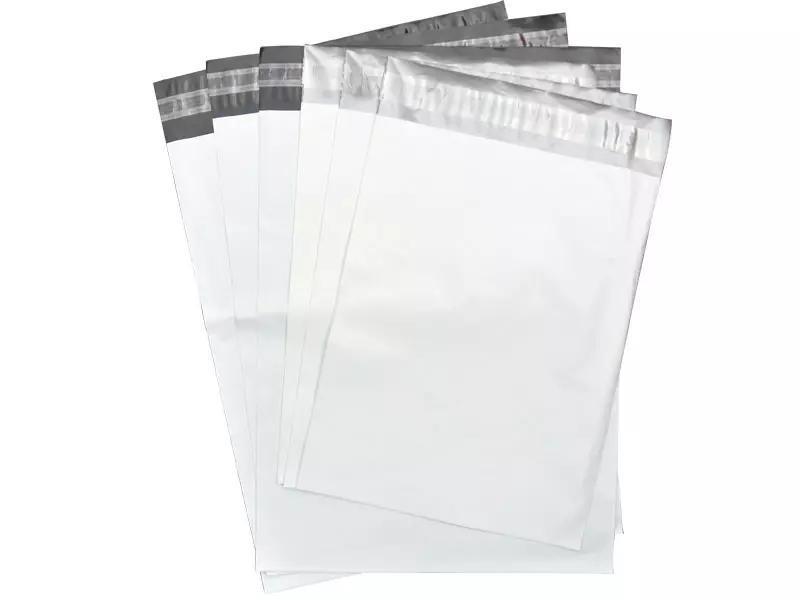
Procuring packaging in massive quantities is standard for global wholesalers and e-commerce importers looking to lower unit costs. However, warehousing millions of mailers introduces a silent logistical risk: gradual material degradation. When flexible packaging sits in storage for months, environmental variables can compromise its physical strength and adhesive quality, leading to tears, yellowing, or sealing failures. Preventing these issues requires smart warehousing protocols and reliable manufacturing. As a dedicated source factory with fifteen years of experience, WH Packing manufactures high-performance shipping solutions designed to withstand long storage periods without losing structural integrity. Understanding how polymers react to warehouse environments allows buyers to safeguard their capital and maintain consistent quality.
Understanding Polymer Aging in Flexible Packaging
To preserve inventory, buyers must understand Low-Density Polyethylene (LDPE). Flexible mailers are made from co-extruded LDPE, a robust polymer valued for elasticity and water resistance. However, all polymers degrade when exposed to specific environmental triggers. This process is driven by photo-oxidation, a chemical reaction that breaks the long-chain molecules of the plastic.
When white plastic is exposed to oxygen and ultraviolet (UV) radiation, it becomes brittle and loses stretchability. Photo-oxidation also leads to yellowing of the outer surface, ruining the clean look modern e-commerce companies expect. Although premium manufacturers add specialized UV stabilizers to raw resins during extrusion, these additives only slow down degradation. Controlling the storage environment remains essential to prevent premature aging.
Storage Practices for Preserving Each White Shipping Bag
The physical conditions of a warehouse directly dictate how well flexible packaging ages. Direct sunlight is the primary threat to white plastic films. UV rays can penetrate protective coverings and damage stacked pallets, even through warehouse windows. For this reason, wholesalers should store bulk shipments of any white shipping bag order in dark, shaded areas. Keeping pallets wrapped in their original opaque film provides an extra layer of protection.
Temperature stability is equally important, as high heat accelerates the degradation of both film and adhesive. Warehouse managers should maintain a stable temperature between $15^\circ\text{C}$ and $25^\circ\text{C}$. Elevating inventory on wooden pallets rather than bare concrete floors prevents moisture from dampening and weakening the cardboard cartons holding the mailers, while maintaining proper airflow.
Protecting Adhesive Integrity and Sealing Performance
The co-extruded LDPE film is highly resilient, but the self-adhesive closure strip is often the most vulnerable component of modern mailers. Most shipping envelopes use a high-tack, hot-melt adhesive protected by a release liner. This pressure-sensitive glue is engineered to create a permanent, tamper-evident seal. However, hot-melt formulas are highly sensitive to thermal stress.
If stored in non-climate-controlled spaces during hot summer months, the adhesive can soften and bleed, making the release liner difficult to peel. Conversely, extreme cold causes the glue to crystallize, reducing its tackiness and preventing a secure bond. Wholesalers should implement a strict First-In, First-Out (FIFO) inventory rotation system to ensure older stock is distributed first, preventing batches from sitting in storage long enough to dry out.
Environmental Compliance and Specialized Material Care
As global environmental regulations tighten, many importers are adding sustainable alternatives to their portfolios. Global Recycled Standard (GRS) certified mailers, including pre-consumer and post-consumer recycled plastics, perform similarly to virgin polymers but can be more sensitive to oxidative degradation if stored poorly.
Fully biodegradable and compostable mailers require even stricter storage controls because they are designed to break down when exposed to microorganisms, humidity, and heat. In a warm, damp warehouse, compostable mailers can start degrading right on the shelf. Importers stocking compostable options must monitor humidity levels carefully and distribute these bags within nine to twelve months of production. Maintaining cool, dry conditions is vital to keeping these eco-friendly bags strong and reliable until use.
Quality Manufacturing as the Foundation of Shelf Life
While proper storage is vital, original manufacturing quality determines the baseline lifespan of your inventory. Partnering with a reliable source factory ensures that the raw polymer blend contains high-quality stabilizers. A manufacturer operating a 27,000 square meter factory with a monthly production capacity of 100 million units can guarantee batch consistency and strict adherence to ISO quality standards.
Buying directly from a factory that manages the entire production chain ensures that polymer resins and adhesives are fresh. Working with an experienced OEM partner also gives wholesalers access to custom options. Importers can request customized thicknesses, dual adhesive strips, or GRS-certified white poly mailers tailored to specific market demands. This combination of robust production standards and proper warehousing keeps packaging performing flawlessly.
Unifying Quality and Logistics for Long-Term Growth
Balancing warehouse conditions with premium manufacturing is the most effective way to eliminate packaging waste and secure consistent product performance. When bulk shipping supplies maintain physical durability and adhesive strength over long periods, wholesalers can serve e-commerce clients without quality complaints. Selecting a manufacturing partner that prioritizes raw material purity and scientific stabilization provides the security needed to scale logistics operations. This proactive approach to inventory management preserves capital, ensures seamless order fulfillment, and builds a dependable supply chain capable of supporting long-term commercial growth.