
For B2B packaging importers, wholesalers, and large e-commerce brands, a stable supply chain is the backbone of daily operations. Selecting a manufacturing partner is not just about finding the lowest unit price. It requires a deep evaluation of production capacity, quality management, and delivery timelines. When transit delays or poor-quality packaging can ruin a brand’s reputation, working with an established industry leader is vital. Collaborating with an experienced manufacturer like WH Packing ensures that your bulk orders are handled professionally. This keeps your supply chain running without interruption.
Evaluate Factory Scale and Production Capacity
A common bottleneck in B2B packaging procurement is the manufacturer’s inability to scale production during peak seasons. When planning your sourcing strategy, always verify the physical footprint and monthly output of the facility. A factory covering a vast area, such as 27,000 square meters, indicates a mature infrastructure. This setup is highly capable of housing advanced machinery.
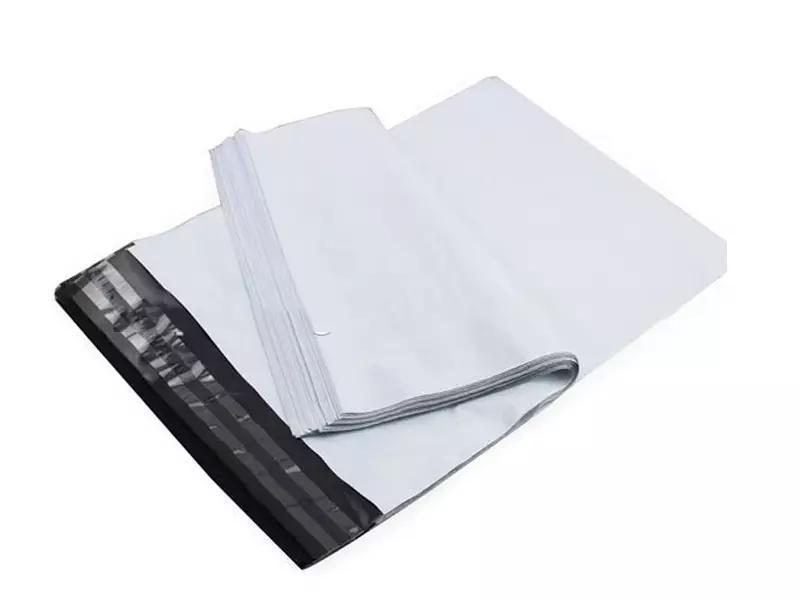
Furthermore, a monthly capacity of 100 million units indicates that the supplier can easily handle sudden volume spikes. This scale is vital for global express companies. High-volume capabilities also translate directly to cost advantages. Large-scale raw material procurement and highly automated lines allow manufacturers to offer competitive pricing. At the same time, they do not compromise on material thickness or tensile strength. For businesses seeking standard packaging, partnering with a reliable source is essential. A high-volume output of white poly mailers ensures that seasonal demands are met without delay.
Prioritize Strict Quality Control and Global Certifications
In the courier and express industry, a single defective batch of bags can lead to torn packages and damaged merchandise. Therefore, evaluating a factory’s internal quality control system is a non-negotiable step. A reliable partner must possess a robust quality management framework, backed by international certifications such as ISO standards.
Professional suppliers implement multi-stage quality inspections, beginning with the testing of raw polymer materials before extrusion. Subsequent inspections during film blowing, printing, and cutting ensure consistent puncture resistance. This process also guarantees reliable tear strength and strong side seams. If you are importing bulk quantities, ask the factory for their internal QC reports and certification documents. Furthermore, internal laboratories within the factory should regularly perform drop tests to verify durability. Ensuring these benchmarks are met upfront protects your brand from financial losses. This avoids the high costs of product returns and damaged shipments.
Confirm Customization and OEM/ODM Versatility
Wholesalers and major e-commerce platforms rarely rely on a single, generic packaging style. Your chosen factory must offer comprehensive OEM and ODM services to accommodate diverse shipping requirements. A versatile manufacturer should produce a wide array of bag designs. This includes printed mailers with custom branding and options with integrated handles or double adhesive strips.
Your clients may require heavy-duty bags, colored mailers, or transparent bags. The supplier’s production machinery must support all of these custom specifications. When sourcing classic mailers, verify if the factory can adjust dimensions, film thickness, and adhesive strength based on your target market’s climate. An outstanding manufacturer will offer free professional consultations and design services. This help allows you to maximize both aesthetic appeal and practical shipping performance. This ensures your custom packaging aligns perfectly with your brand identity and protects delicate items during long-distance transit.
Align with Eco-Friendly Standards and Global Trends
Environmental sustainability is no longer a niche preference. It is a regulatory necessity across markets like the United States, the United Kingdom, Europe, and Australia. When vetting a factory, inquire about their capabilities in manufacturing eco-friendly packaging solutions.
A forward-thinking supplier should offer Global Recycled Standard (GRS) certified products. This includes packaging made from pre-consumer recycled materials. They should also offer post-consumer recycled materials to divert plastic waste from landfills. Additionally, for highly regulated markets such as Australia, the availability of fully biodegradable and compostable mailers is an essential offering. Whether you are purchasing recycled materials or standard white shipping bags, choose a versatile factory. A partner that transitions between standard and recycled polymers lets you serve eco-conscious B2B clients with ease.
Demand Transparent Communication and Comprehensive Logistics Support
A successful B2B partnership relies heavily on what happens after the order is placed. The ideal manufacturing partner provides full-process service. This includes initial design alignment, final customs clearance, and global logistics.
A reliable factory maintains open communication channels. They provide real-time updates on production milestones and shipping schedules. They should also demonstrate a proven track record of collaborating with major international courier brands, such as FedEx and UPS. This experience ensures that the factory understands the exact packaging specifications and handling standards required by global logistics networks. Operating with this level of professional expertise minimizes the risk of customs delays. It also prevents incorrect labeling or shipping discrepancies, ensuring a smooth delivery process. Having reliable shipping routes and experienced logistics coordinators simplifies the entire import process for global buyers.
Secure Your Packaging Supply Chain for Long-Term Growth
Finding a dependable manufacturing partner requires a balanced analysis of scale, certification, customization, and sustainable offerings. Choose a supplier that controls the entire production cycle. Sourcing raw materials to final delivery safeguards your business against quality inconsistencies. Establishing a direct relationship with a high-capacity factory offers many benefits. Your business gains the competitive advantage of factory-direct pricing, stable quality, and guaranteed delivery times. Investing time to audit potential partners today secures your packaging operations. This preparation forms a strong foundation for your brand’s future growth.