
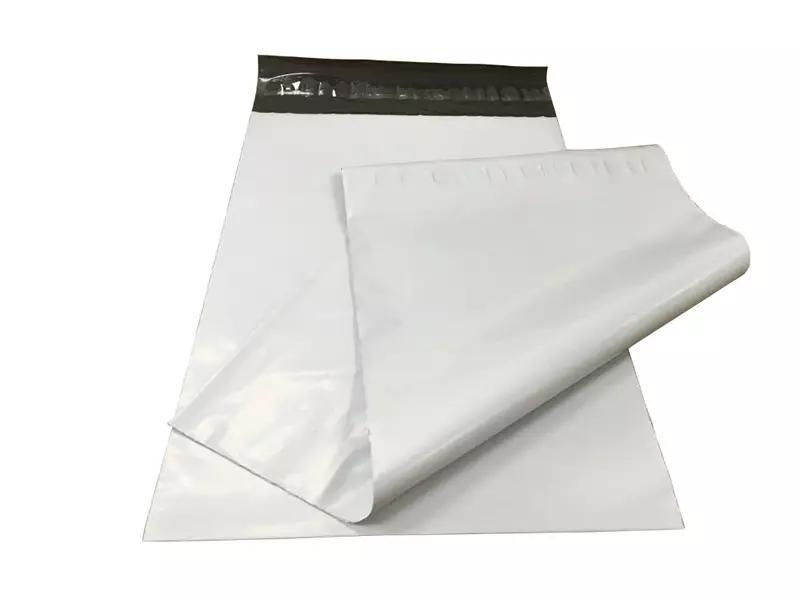
Global e-commerce growth has triggered strict environmental regulations across major markets, forcing packaging wholesalers to rethink their product choices. Sourcing compliant, durable packaging is no longer just a trend but a critical legal and commercial necessity. For B2B buyers looking to navigate these strict international requirements, partnering with an experienced source manufacturer like WH Packing provides both high-capacity logistics support and certified material safety. Knowing whether plastic mailing materials are genuinely recyclable or legally compliant requires looking closely at material science, regional policies, and modern manufacturing processes.
Understanding LDPE Recyclability and Material Classification
Traditional flexible mailers are primarily composed of Low-Density Polyethylene, commonly designated as resin identification code #4. The physical molecular structure of LDPE, which typically features a density range of 0.910 g/cm³ to 0.940 g/cm³, makes it highly flexible and puncture-resistant. These technical polymer characteristics provide the raw strength needed for demanding shipping environments. From a recycling standpoint, LDPE is fully thermoplastic, meaning it can be melted down and reprocessed into new raw materials multiple times without losing its basic properties.
The challenge with flexible plastic recycling lies in sorting infrastructure rather than material chemistry. While rigid plastics are easily processed in curbside programs, flexible LDPE requires specialized collection points. Many major retail centers now host soft plastic collection bins to aggregate these items. For packaging traders and bulk importers, ensuring that your inventory is made from clean, pure LDPE resins is the first step toward promoting circular economy principles. Pure, unbonded LDPE is highly sought after by plastics recyclers, ensuring that post-use envelopes do not end up in landfills but are instead converted back into valuable raw materials.
Sourcing Compliant white poly mailers for International Markets
Compliance standards vary significantly across North America, Europe, and the Asia-Pacific region. Wholesalers must verify that their inventory aligns with local rules to avoid customs delays or heavy commercial penalties. In the European Union, the Packaging and Packaging Waste Regulation demands that all commercial packaging be recyclable and contain minimum post-consumer recycled percentages by designated deadlines. In contrast, markets like Australia favor highly specific environmental certifications, putting a strong premium on compostable and certified biodegradable packaging solutions.
To meet these global demands, professional factories undergo rigorous testing to obtain internationally recognized certifications. The most critical standard for recycled plastics is the Global Recycled Standard (GRS) certification. Sourcing white poly mailers that carry verified GRS credentials ensures your business complies with international import regulations. This system tracks the raw recycled material from its source directly to the final shipping bag. This level of transparency protects importers from greenwashing claims, proving that the products meet the environmental criteria required by governments and conscious retail brands alike.
Categorizing Recycled Materials: Pre-Consumer versus Post-Consumer
When sourcing sustainable packaging, B2B buyers must understand the different categories of recycled raw materials. Under the GRS framework, recycled plastic is divided into pre-consumer and post-consumer materials. Pre-consumer waste consists of factory scraps, industrial run-offs, and trimming waste. Because this material has never reached the final consumer, it remains highly pure and easy to reprocess. This industrial recycling loop keeps high-quality polymers within the production system.
On the other hand, post-consumer recycled plastic is derived from household or commercial waste that has been discarded. Incorporating post-consumer materials is highly effective for reducing virgin oil usage. For markets with the strictest plastic laws, fully biodegradable and compostable envelopes are also widely available. Sourcing a versatile catalog that includes both recycled and compostable white plastic packaging bags allows wholesale traders to target diverse markets and secure long-term retail client relationships.
Technical Specifications and Quality Assurance in Sustainable Production
Sourcing eco-friendly packaging should never mean sacrificing physical durability or seal integrity. Substandard recycled bags often suffer from a noticeable odor, poor tear resistance, and weak side seals. High-caliber factories solve these quality issues by managing the entire manufacturing process, from raw material procurement to final extrusion.
Utilizing advanced multi-layer co-extrusion technology allows manufacturers to sandwich recycled layers between virgin polymers. This engineering maintains the high tensile strength and complete opacity required for secure transit. Reliable source factories utilize precise mixing ratios, ensuring that even a bag containing up to $50\%$ or $100\%$ recycled content performs identically to virgin poly mailers. A strict internal quality control system, backed by ISO 9001 and ISO 14001 certifications, ensures that every single batch of shipping bags meets international performance and eco-compliance standards.
Strategic Supply Chain Advantages of Factory-Direct Partnerships
Securing a stable supply of compliant, high-quality shipping bags requires a production partner with significant industrial capacity. A state-of-the-art manufacturing facility covering 27,000 square meters provides the baseline infrastructure needed to support global logistics demands. With a massive monthly capacity of 100 million units, an experienced factory can guarantee consistent delivery timelines, even during peak Q4 shipping seasons and regional holidays.
Bypassing middlemen and working directly with an OEM/ODM source factory allows B2B buyers to customize their product portfolios. Importers can select custom printing, integrated carrying handles, specific film thicknesses, and dual adhesive return strips. This level of manufacturing flexibility ensures that packaging materials are not only environmentally compliant but also perfectly optimized for e-commerce efficiency and brand presentation. Direct factory sourcing provides the competitive pricing, quality consistency, and certification transparency needed to scale distribution networks successfully.